How does a female correspondent live the moment of war from the heart of the frontlines?
Live scenes, a documenting camera, and a voice that delivers…
But what happens after the broadcast?
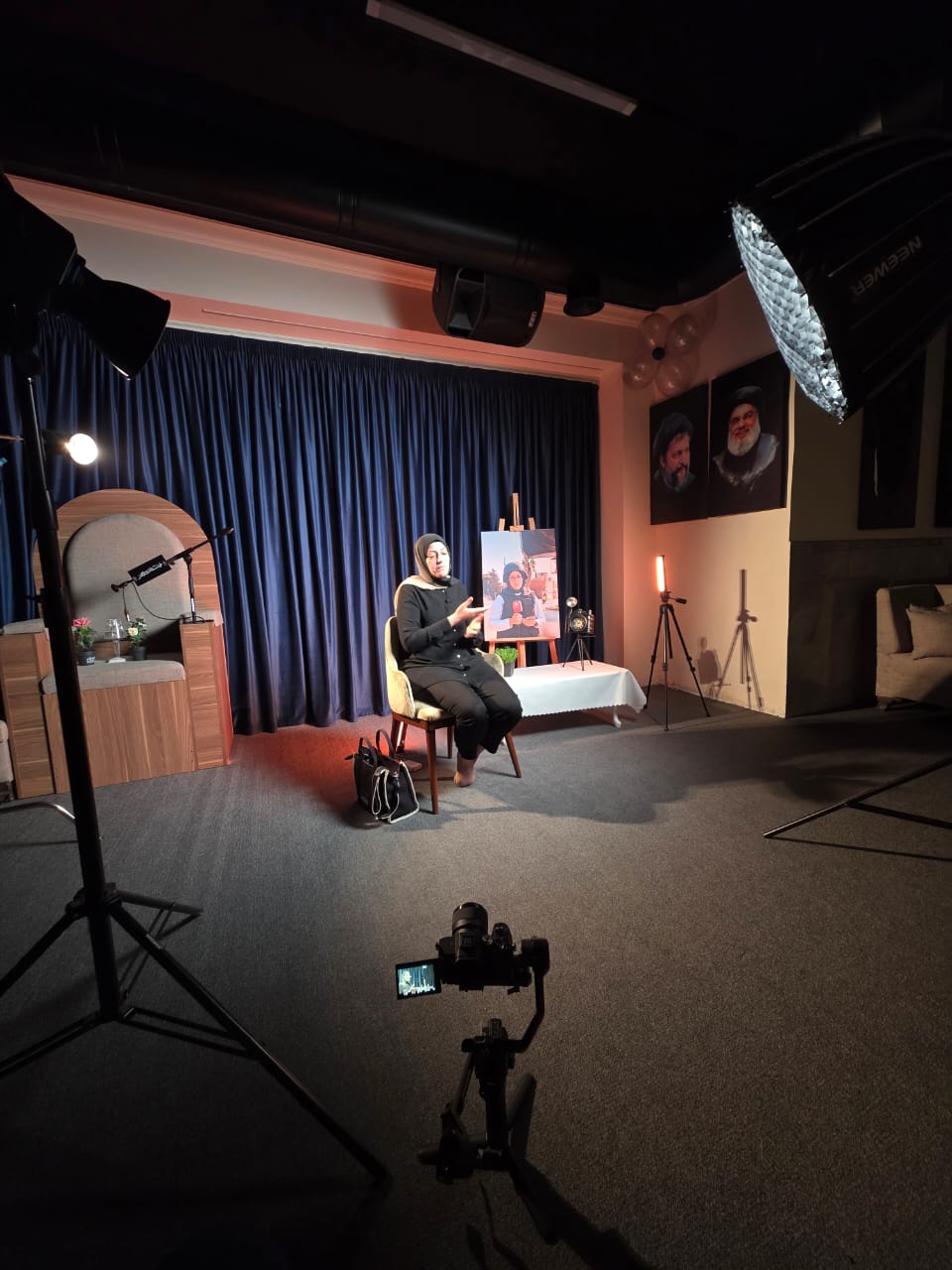
In this documentary, “They Are on the Frontline”, we hear two real-life experiences from correspondents who faced the war with their own eyes, bodies, and nerves.
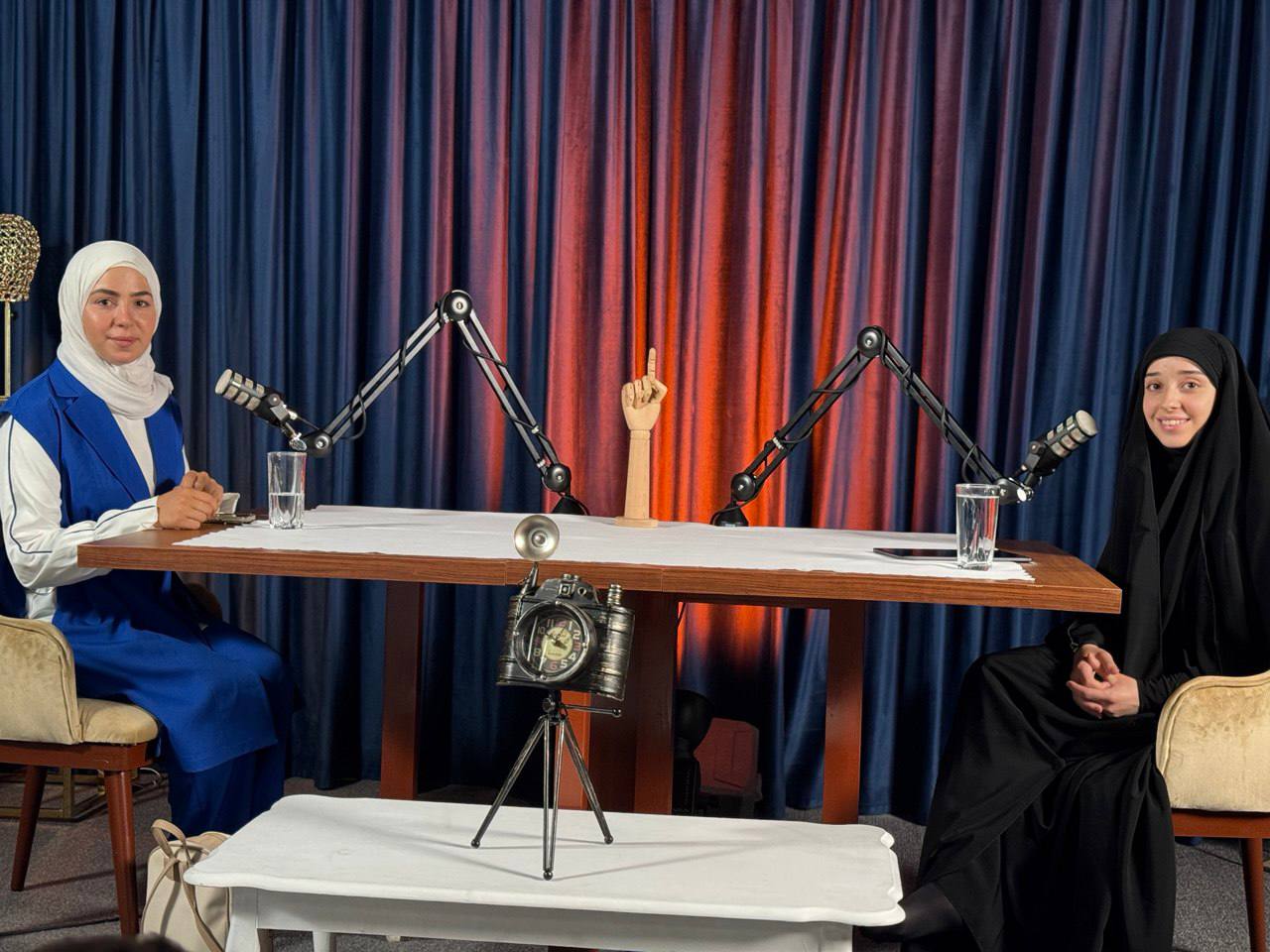
Zeinab Yassine and Yasmin Rammal share testimonies from the field — from unforgettable moments and an unseen reality.
After watching the documentary "They Are on the Frontline",
you might ask yourself:
How can a female correspondent report the realities of war accurately,
while standing in the heart of danger—without a plan to protect her, or any entity offering psychological support?
But despite everything...
resilience and refusal to surrender remain their unwavering choice.
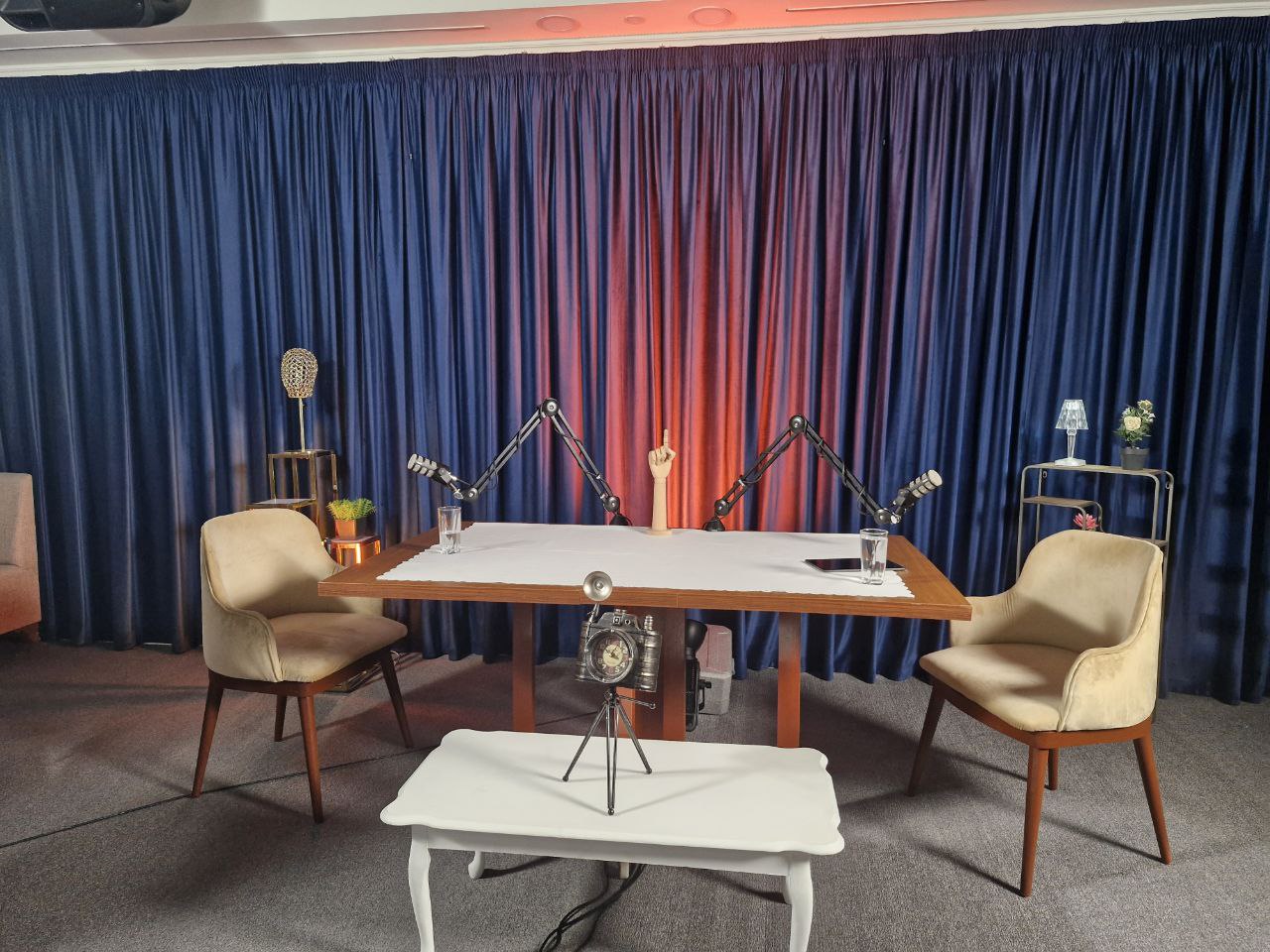
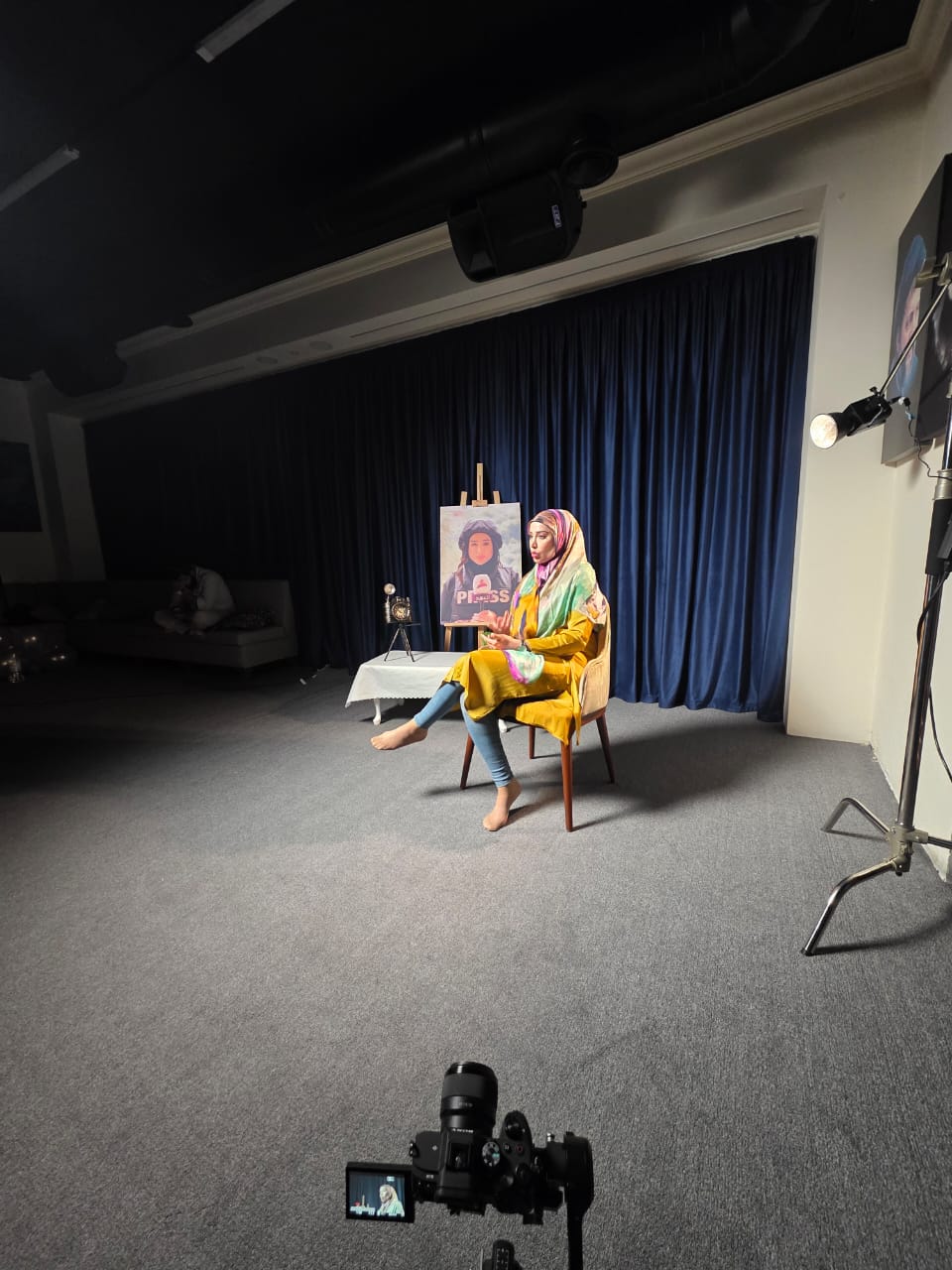
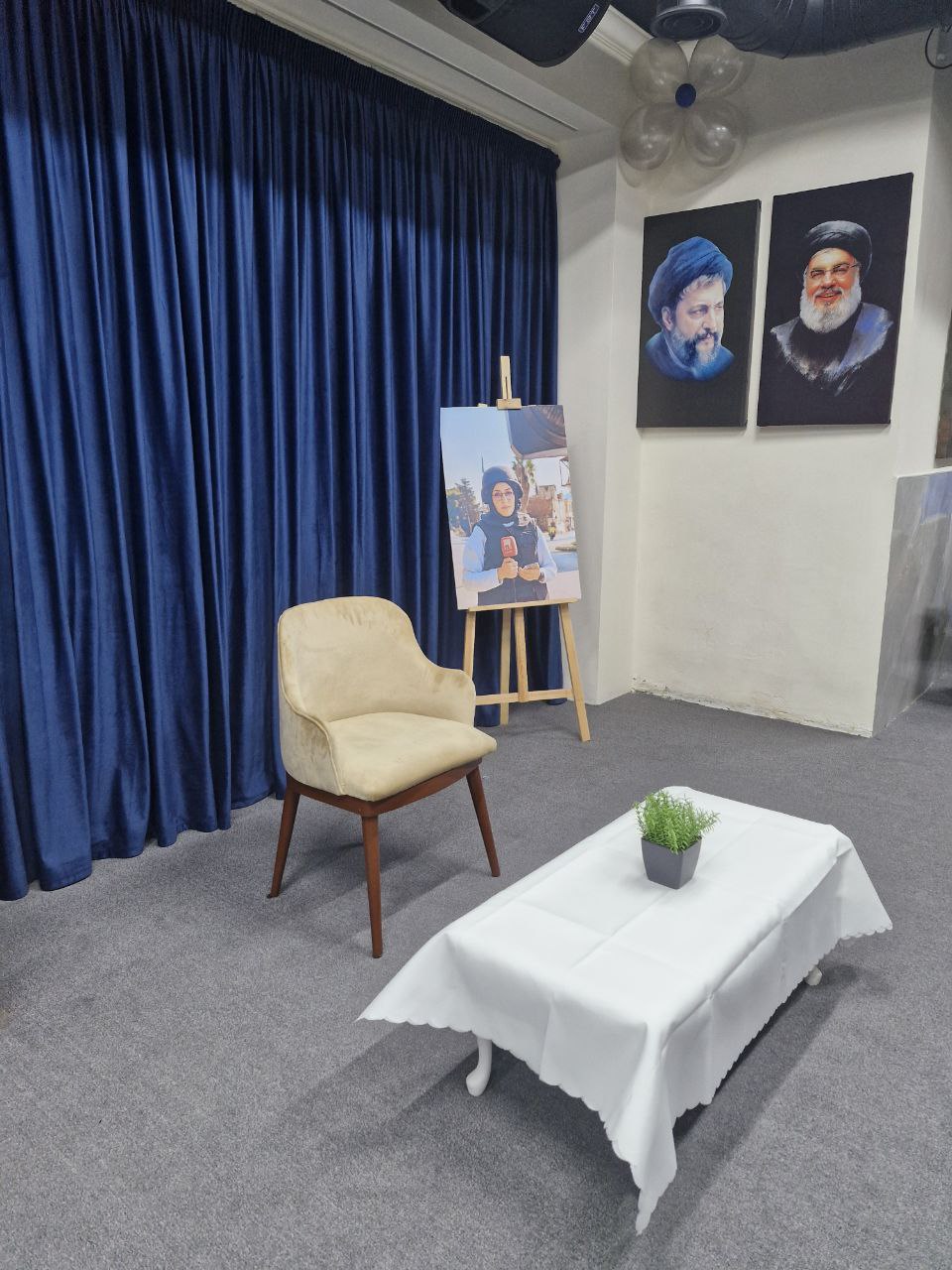
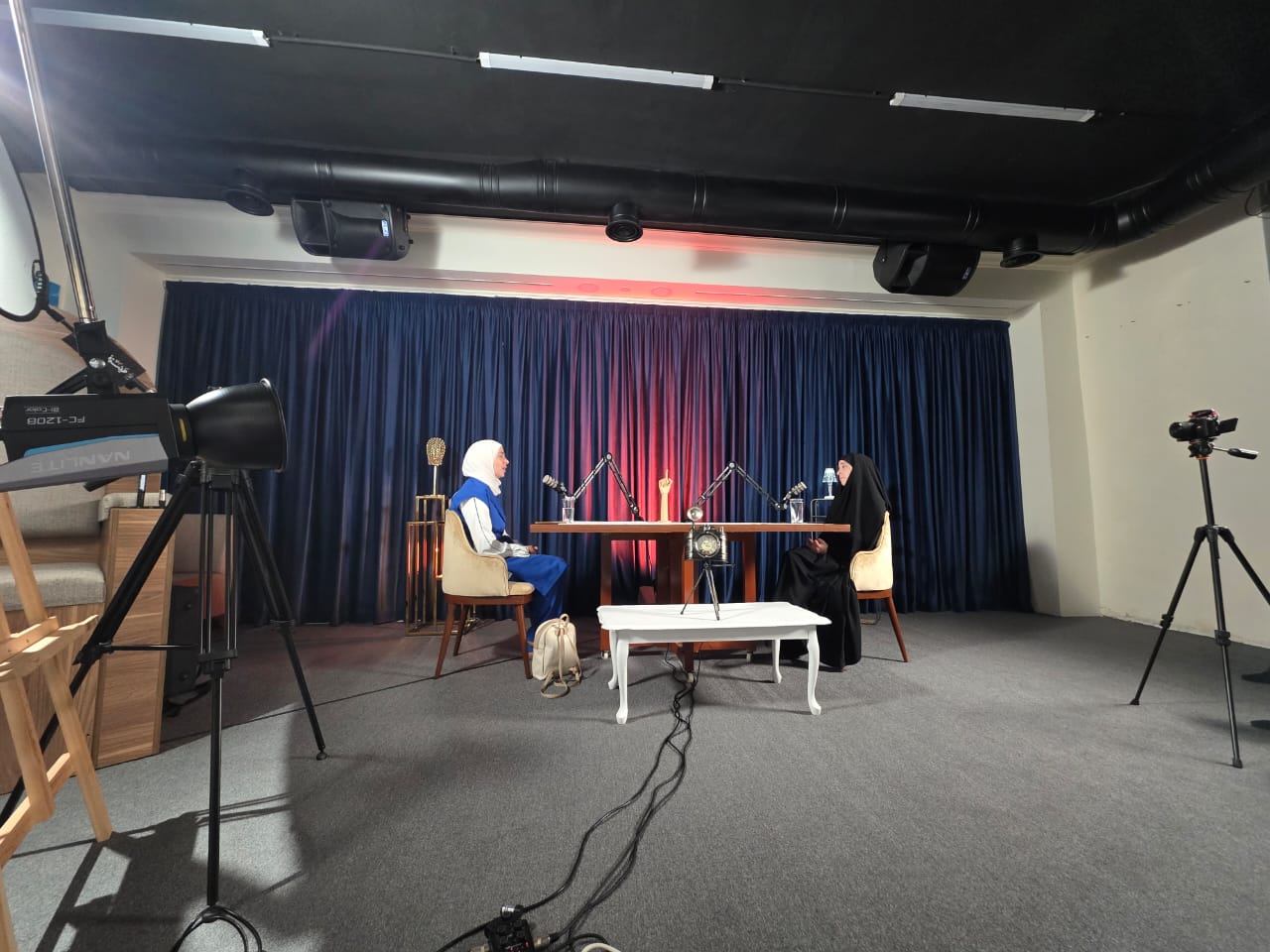
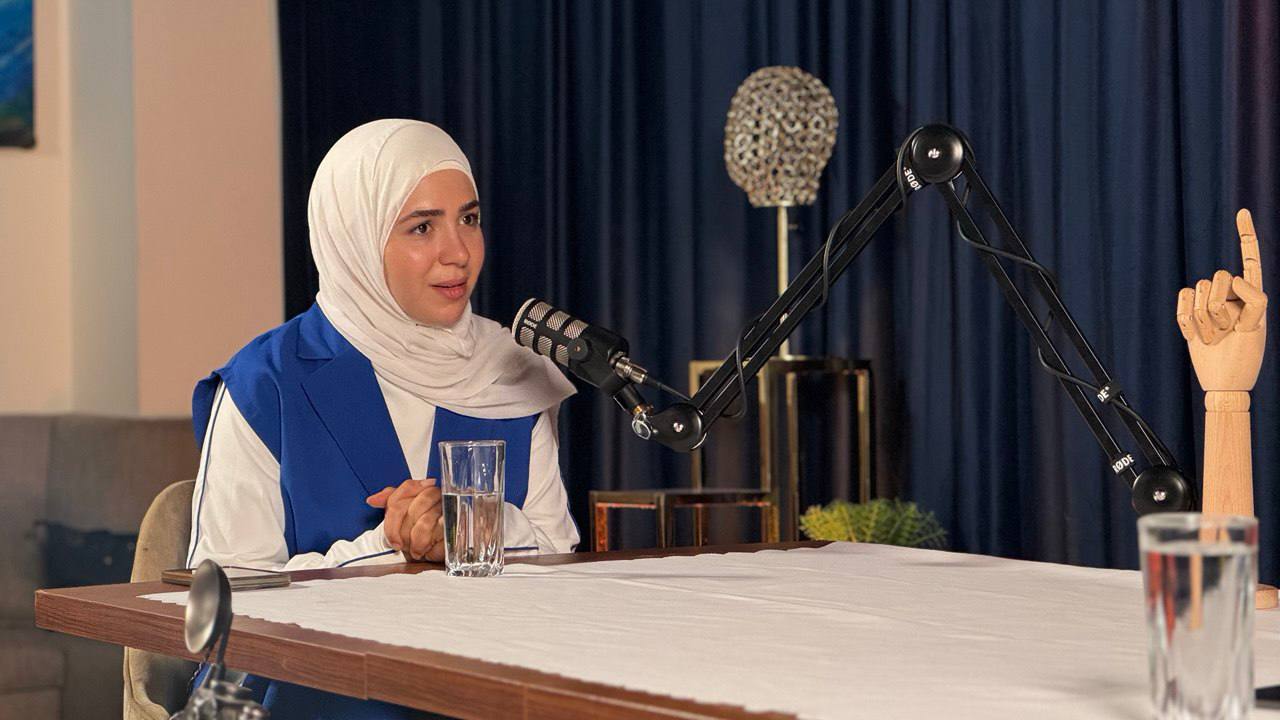
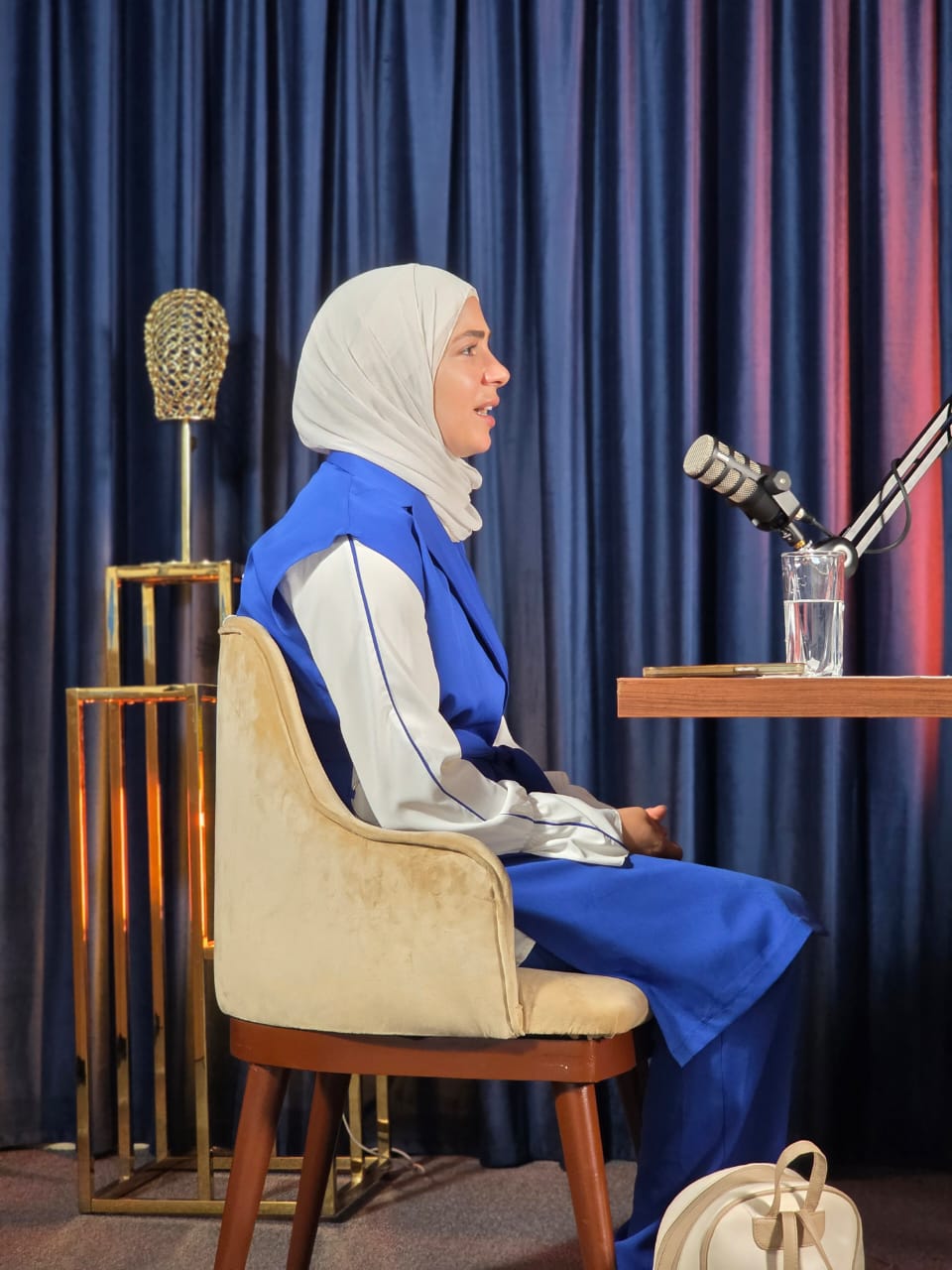
In this podcast, we hear the testimony of Fatima Foutouhni, a correspondent for Al Mayadeen TV, who went to the frontlines in the heart of the war — not just to report the events, but to live them, moment by moment.
From the moment she was assigned, to the moment of the explosion, to the silence that precedes... the broadcast.
Fatima tells the story as she lived it — with her body, her memory, and her voice.
This podcast is not an analysis… it's an experience.
Watch now.