"Women in the Field: Between Duty and Danger"

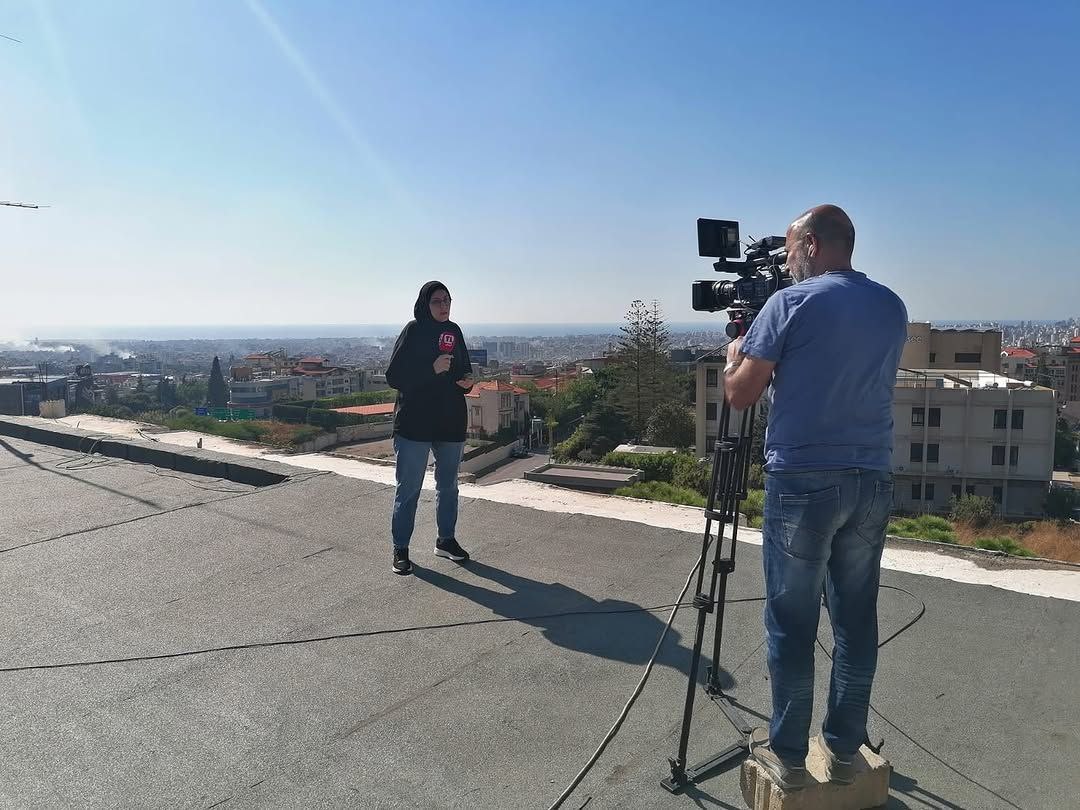
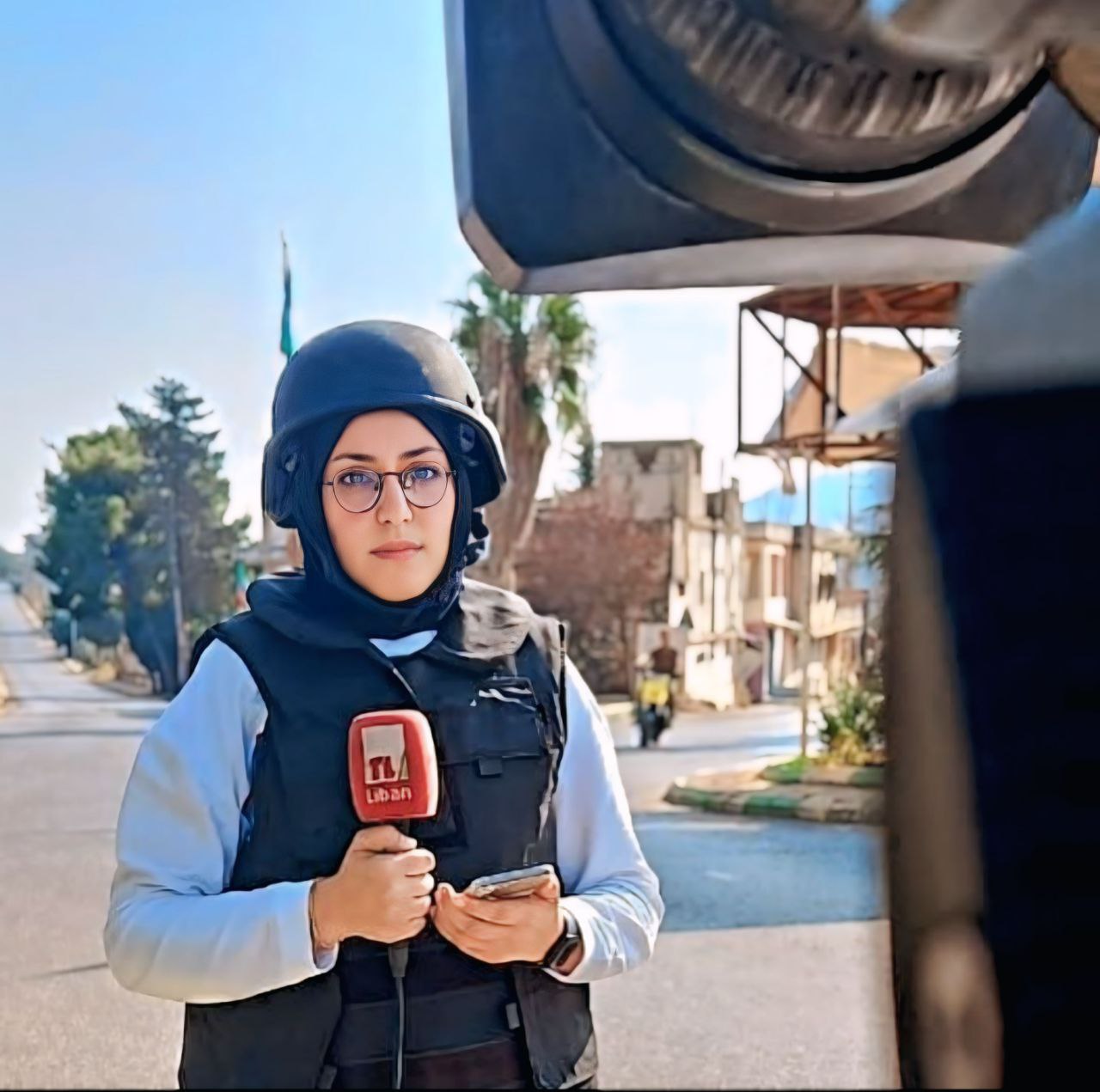
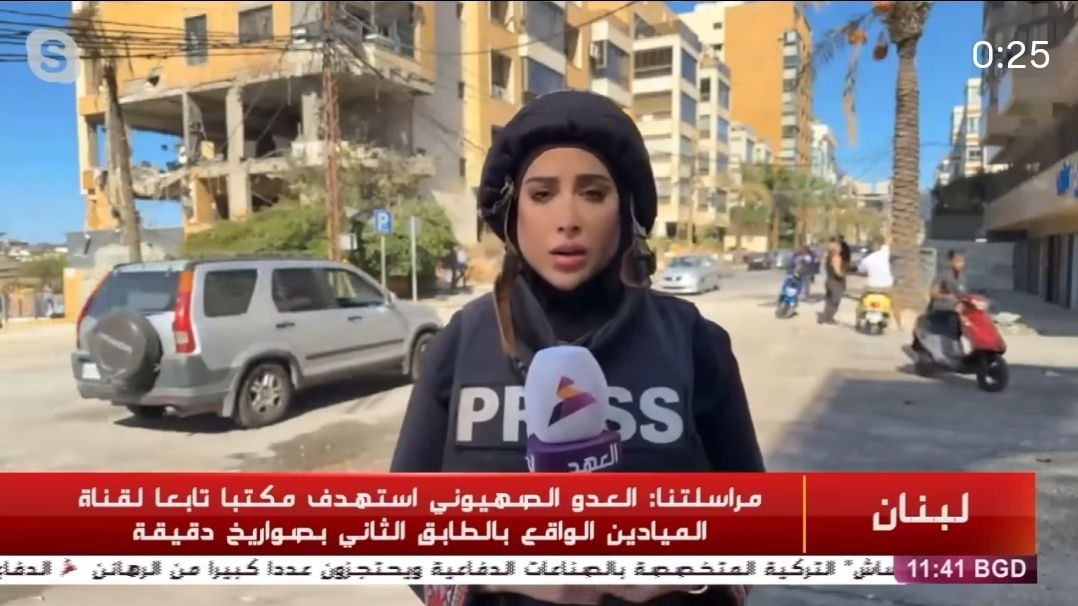
On one of the toughest nights in Lebanon, while the sounds of explosions were echoing in southern Lebanon, on the small screen watched by hundreds of thousands of citizens with caution and anticipation, appeared the image of a woman standing firmly on the front line of the battlefield, behind her smoke rising from among the rubble, and the sounds of warplanes and their bombing spreading terror in the hearts of those who hear them. She was holding the microphone with one hand, and with the other hand trying to push away the flying hair from her face, while her eyes never left the camera.

In a country accustomed to wars, the appearance of female correspondents was not a strange scene, but it wasn’t ordinary either. The war was writing its chapters with a female voice, a voice that was often demanded to be strong and unbreakable,even when their feet were sinking into the mud, and even when their hands were trembling behind the camera.

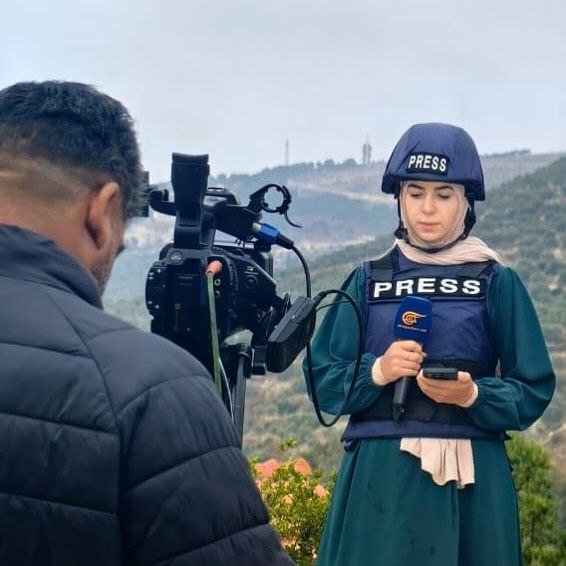
Since October 8, 2024, the field correspondents have returned to the forefront, standing between the border strip, the southern towns, and the alleys of the suburbs. They stood on the front lines, not only to chase the news but to protect the truth from being lost amid the noise. These women were not just conveyors of what was happening—they were part of it.

This is not the first time the question has been raised: Why does a woman choose to be on the front line?

In 2006, the experience of female journalists during the war marked a turning point in the Lebanese media scene. But the year 2025 brought challenges of a different kind—experiences that went beyond the military field to delve into the depths of self, identity, and fear.
This investigation will take us on a journey through real experiences, from the heart of the battle and behind the screen.

It’s a journey between courage, awe, and the will to survive.
In July 2006, Lebanese and Arab media covered the daily realities of the Israeli war on Lebanon, where female faces stood out clearly on screens and in the field. Despite having the option to stay behind the screens or even in safer places, many correspondents chose to be where the front line was—not just to report the news, but to document what was happening with their cameras, their voices, and with all the determination and love for their profession they possessed.

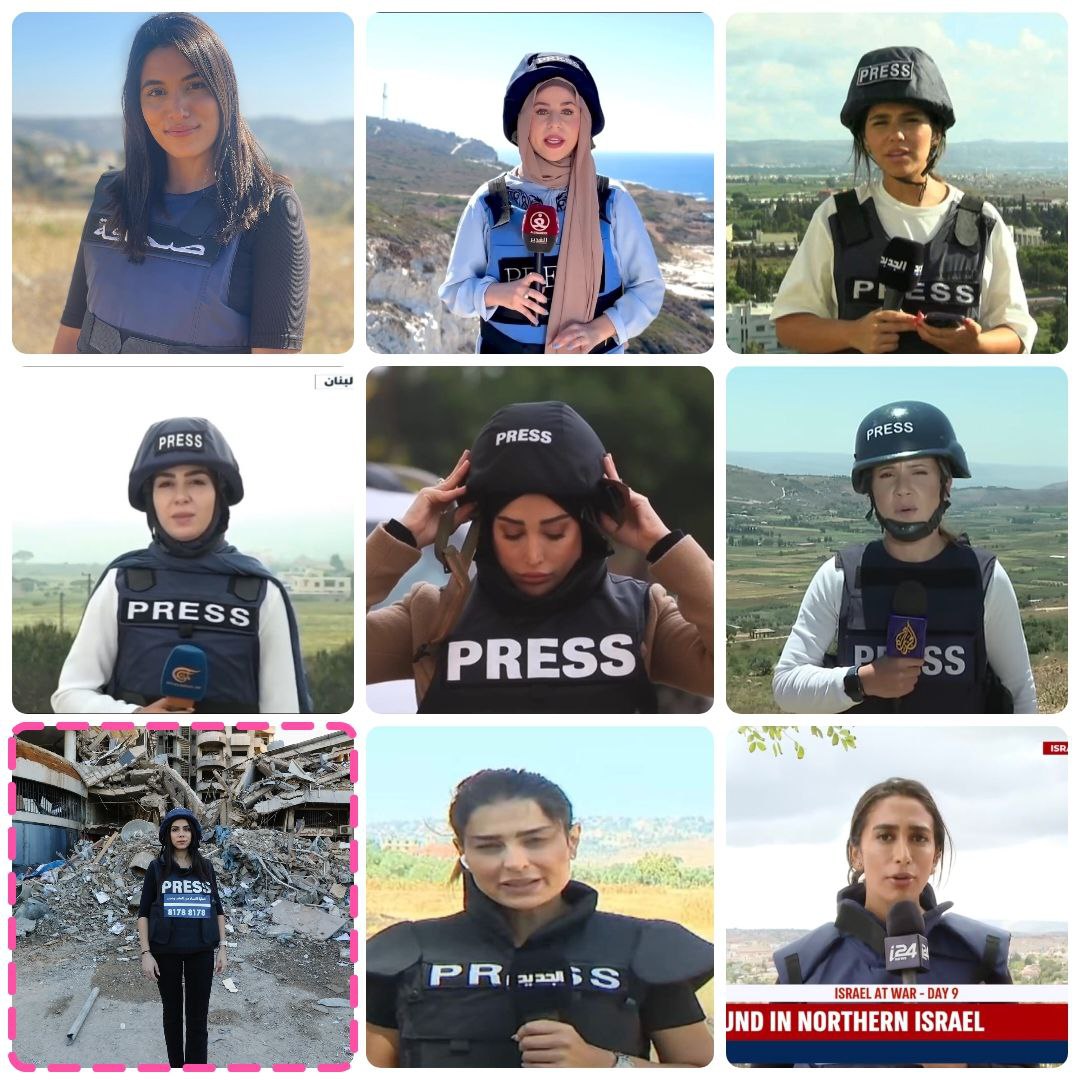
Among the names that didn’t participate in the coverage in 2023 and 2024 was Fatima Ftouni, a journalist at Al-Mayadeen channel, who joined the coverage after the testimony of her colleague, correspondent Farah Omar. Also included are journalists Zainab Yassin, Miriam Tahmaz, Reef Afif, and others, who witnessed the displacement of citizens and the destruction caused by the brutal Israeli bombing because they chose words as their weapon against the bombardment.

"Get to know Fatima"

Between 2006 and 2025, female correspondents maintained this presence and even expanded their scope. With every new aggression, the scene repeats itself: journalists at the heart of danger—in southern towns, in the suburbs, around hospitals, in displacement areas. Different experiences, yet all united by courage.

But they all intersect at one point: a female voice that documents, writes, and bears witness.

The Field in 2025: Between Voice and Silence

With the outbreak of the recent Israeli aggression on Lebanon on September 17, 2024, media coverage raced against the bombing. Every moment, someone would pick up a camera and rush toward the sound of the explosion or run after an ambulance in an attempt to deliver the truth. Among them, female voices stood out in the front lines, facing direct danger and experiencing the details of the war moment by moment.

Journalist Yasmin Ramal was one of those correspondents who faced and lived through many intense moments during her coverage of the war in southern Lebanon. She recounted numerous dangerous situations while doing her job, including one incident when she and her team were preparing to go live on air. Suddenly, an Israeli drone flew very low and menacingly right over their heads—a swift message to stop the broadcast and leave the area quickly before she and her team could be killed.

In addition, journalist and correspondent Amal Khalil from Al-Akhbar newspaper covered the war in southern Lebanon with her team. She faced many dangerous situations that could have cost her life. Yet, despite all the obstacles and challenges she encountered during her work, she neither gave up nor backed down. She insisted on continuing and staying to convey the image and truth—as a strong woman steadfast in her mission to this day.

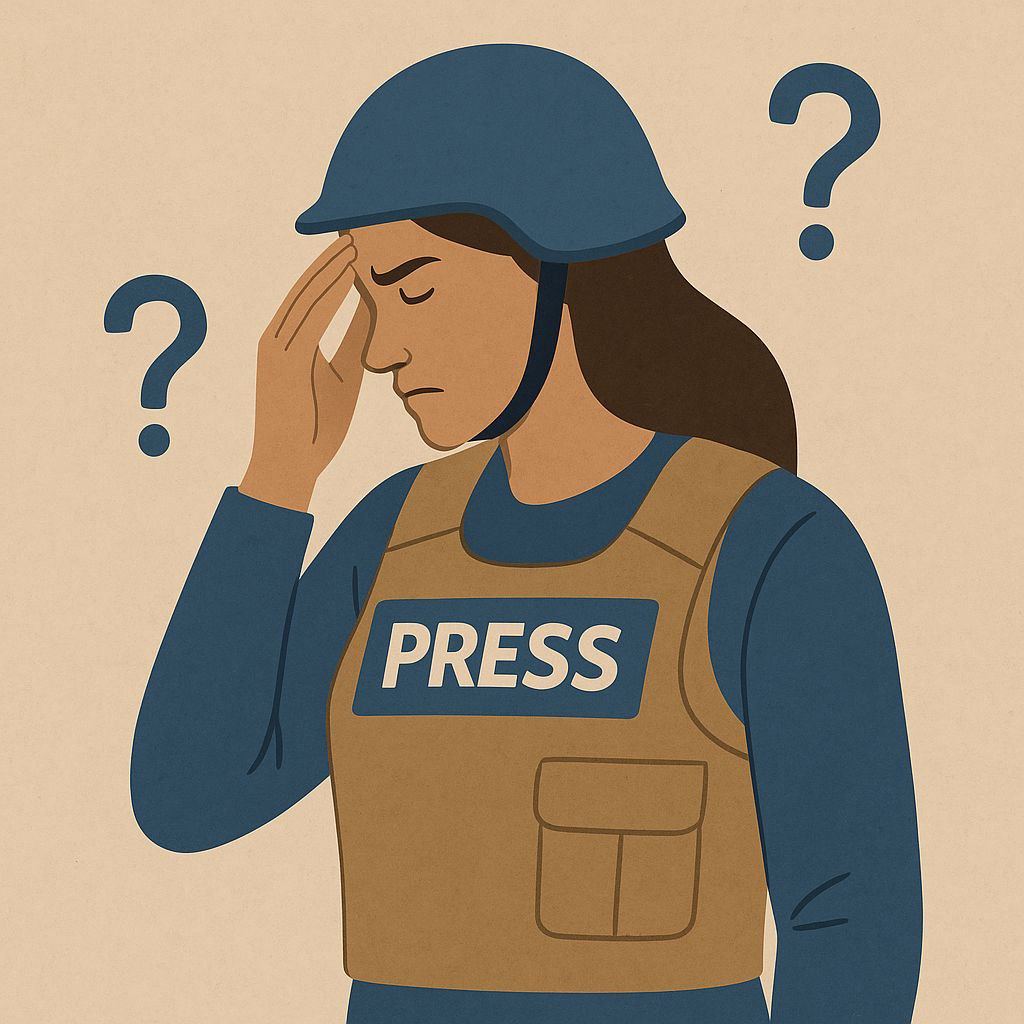
For female correspondents, the situation becomes even more complicated. Besides the security and military risks, there are additional challenges related to their specific presence in such high-risk environments. Many correspondents confirm that they faced critical moments—not only because of the bombings but also due to the lack of privacy protections or any clear plans to assist them if they got stuck in a hot spot. For example, journalist and correspondent Zeinab Yassin stated that she rented a house at her own personal expense to stay in the south and secure some privacy. She also emphasized that the channel she worked for had no emergency plan or clear action strategy in place in case any danger befell her or her team.

What’s striking is that these experiences aren’t openly discussed. There are no official reports documenting the number of physical or psychological injuries sustained by journalists during field coverage, nor is the issue prioritized on union or legislative agendas. As a result, the same risks repeat with every new conflict or war, as if female correspondents have to face the challenge from scratch each time. There’s also a clear lack of preparedness—especially in a highly competitive work environment. For instance, UNESCO’s report on journalists in conflict zones highlights that some female journalists fear and refuse field coverage because it might negatively affect their chances for professional advancement. On the other hand, Reporters Without Borders points out the absence of clear guidelines regarding who decides to send a female journalist to the front line. Is her opinion taken into account? Is her psychological readiness assessed? Does she actually have the option to refuse? The reality is that in many cases, she is expected to “prove” herself professionally, and refusal may be seen as a sign of weakness.

Lack of Safety: A Lost Responsibility

Amid the smoke, loud noises, and explosions during war coverage, the priority is to capture the event—the place, the sound, the blast that shook the surroundings. But beyond the camera’s frame, there’s a parallel story that goes untold, happening behind the scenes of fieldwork. There, female war correspondents stand at the heart of danger without real safety guarantees, and without a protection system that surrounds them as individuals before they are journalists.
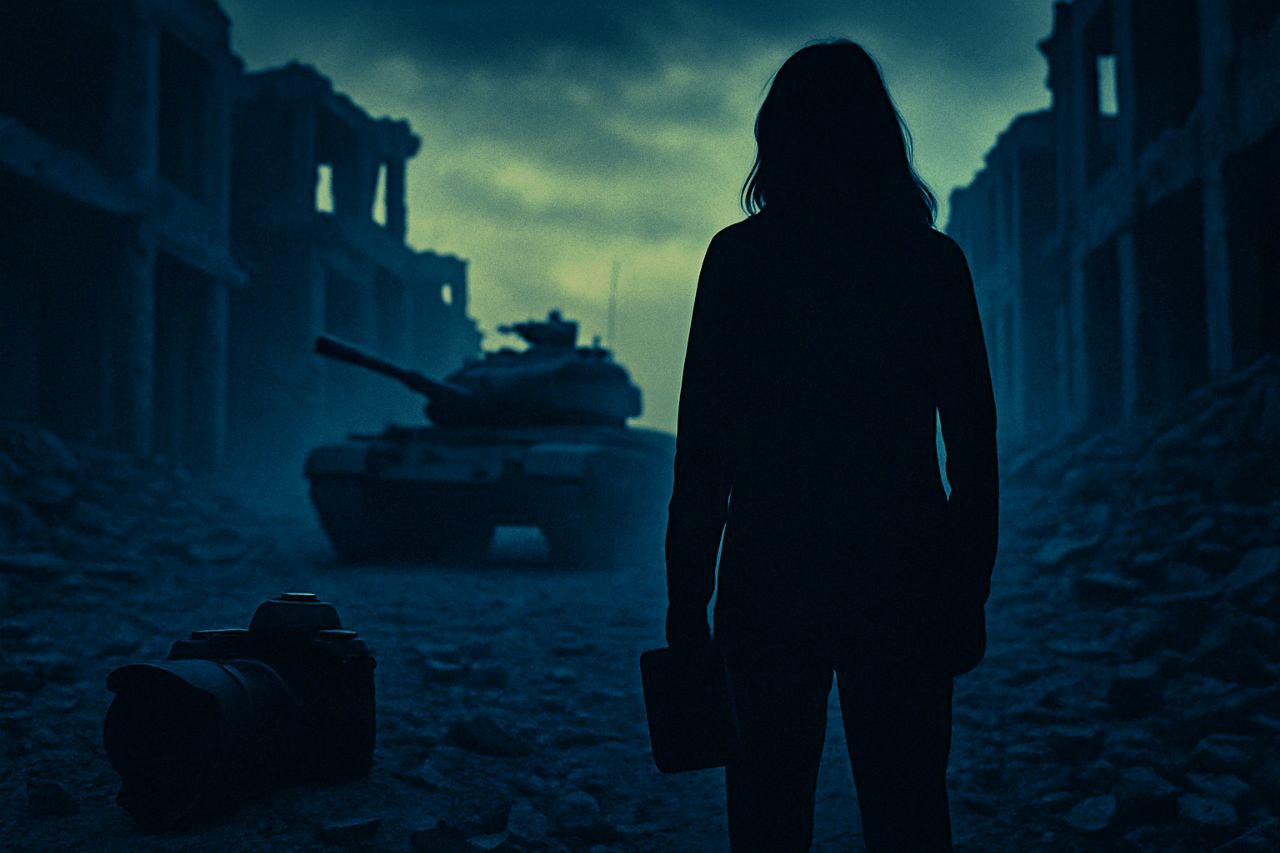
In Lebanon, with the frequent Israeli attacks on the southern regions, the Bekaa Valley, and the southern suburbs, it has become almost common to see female correspondents standing in the field, reporting events moment by moment. What often goes unspoken, however, is that these correspondents usually find themselves in the field through individual decisions or assignments that come without any real protective gear—neither physical nor psychological. Even though Lebanon is one of the countries that has faced many wars and attacks, to this day there is no official or independent body that sets unified protection standards or protocols for journalists covering wars.
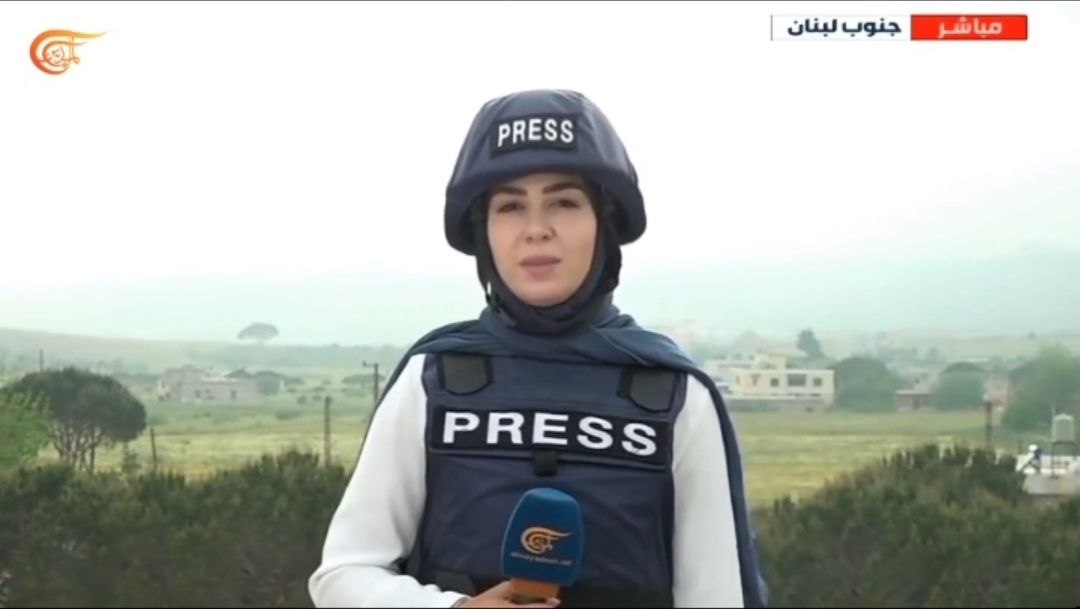
Even the Press Editors’ Syndicate, which is the closest professional representative body, still lacks effective advocacy channels or enforceable laws that require media stations to train their staff for work in dangerous environments or to provide insurance coverage for risks. As a result, the biggest burden falls on the media institutions themselves, whose approaches to protection can vary widely from one outlet to another. Some large organizations, especially those with a regional reach, mandate prior field training and provide correspondents with essential equipment like protective vests and helmets, and sometimes secure communication tools and support teams.

On the other hand, in many local media outlets, the correspondent is left to fend for herself, often provided only with a camera and a cameraman. She frequently moves without a safety plan, coordination with civil defense or the Red Cross, or even a clear understanding of the areas she’s covering. The issue here isn’t just about protection from direct danger—it’s also about the psychological and mental preparation to face intense situations, like witnessing victims, confronting bloody scenes, losing communication, or fearing for one’s life. Journalists are not trained for these details; instead, they are expected to “handle the situation” as part of their job, as if psychological trauma has no place in newsrooms.
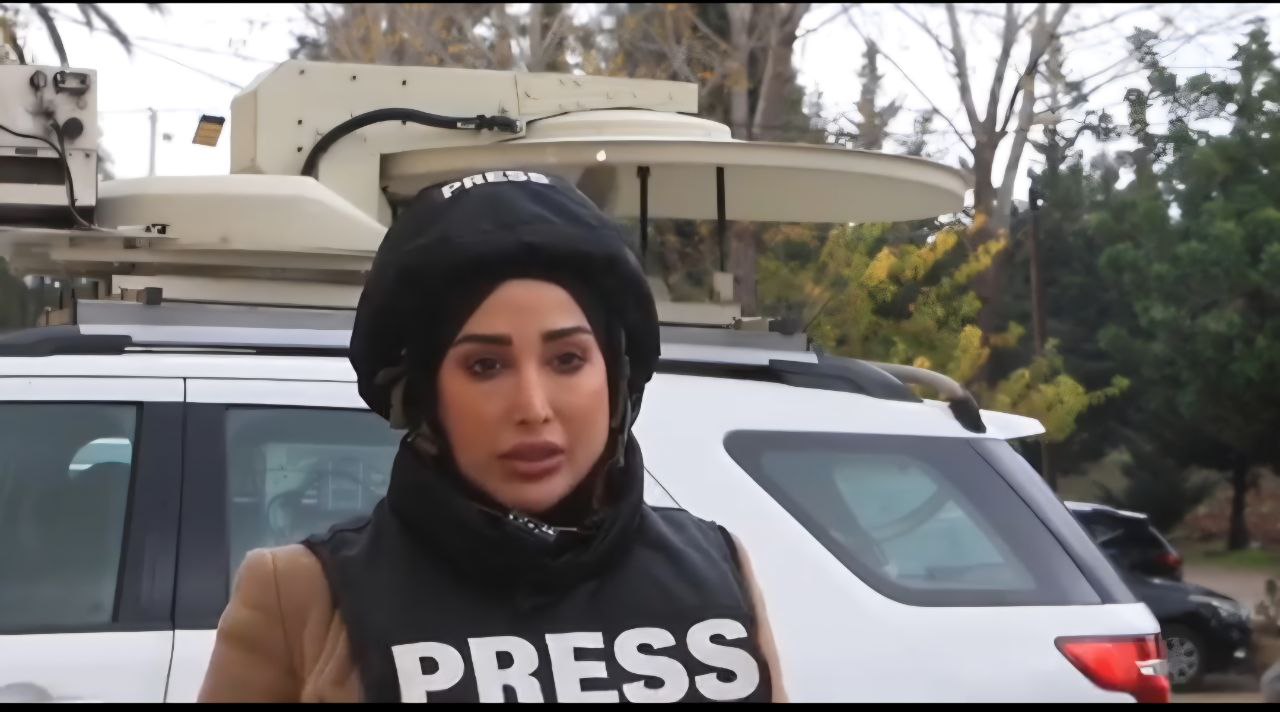
And here lies the most crucial question: Who bears responsibility if a female correspondent is injured or harmed? Is there any health insurance? Is there follow-up psychological care? And should a female reporter even be on the frontlines in the first place, when such basic protections are absent? In most cases, none of these provisions exist. Female correspondents are left alone to face all the consequences of being in dangerous zones—on their own.

According to correspondent Zeinab Yassin, there was no health insurance in case of injury, nor any psychological support during or after coverage of the recent war on Lebanon. She emphasized that she was in deep need of such support, especially after all the difficult scenes and field reports she had to deliver. 
She said she often suppressed her emotions and forced herself to stay strong in order to focus solely on conveying the image and the truth to the world. Some limited initiatives were launched to provide temporary psychological support for journalists after the Beirut Port explosion. Most notably, the Lebanese Press Editors’ Syndicate partnered with international organizations such as UNESCO and Reporters Without Borders to offer short workshops on psychological safety, in addition to one-on-one support sessions provided by Lebanese organizations in collaboration with mental health professionals. The Institute of Media at the Lebanese American University also launched an awareness initiative called “SADA” (Echo), aimed at raising awareness about the impact of trauma in the field.

But despite the importance of these steps, they have remained within a temporary and emergency framework, and have not evolved into permanent institutional policies or integrated support programs within major media organizations. Most Lebanese media outlets, to this day, do not include in their administrative structures any department dedicated to mental health or even to monitoring the psychological impact on their correspondents. Clear protocols and support systems are also lacking when sending journalists to areas of conflict or disaster.

Even more alarming is that a number of journalists who took part in high-risk coverage in recent years—such as Diana Moukalled and Reem Azeddine—have stated in interviews and media appearances that they received no psychological support from their institutions after completing their assignments. Instead, they were left to deal with the aftermath of what they had witnessed on their own initiative—or were forced to suppress those feelings under the pressure to keep working. All of this raises a clear issue: it's not only about the absence of protection, but the absence of a culture of safety in field journalism. As a result, female correspondents are left exposed—not only to military danger, but also to institutional neglect, legal ambiguity, and silent psychological pressure.

A Gap in Standards: Global Testimonies and Experiences

Over the years, war coverage has revealed a significant gap between local, regional, and international media institutions in how they approach the safety of female correspondents. While psychological support is still considered a secondary or unnecessary step in many Lebanese or Arab outlets, some global media organizations have begun treating this issue as a core part of their professional framework. For example, the British BBC network applies strict protocols to protect its journalists, including requiring them to undergo physical and psychological safety training before heading into conflict zones. These trainings cover how to deal with kidnapping scenarios, provide first aid during bombings, and exercises to manage psychological trauma.

She added: "I used to come home and cry for hours, then go the next day to a new coverage—and no one would ask me how I was doing." A similar experience was shared by Palestinian journalist Najwan Simri, who said in an interview with Al Jazeera during her coverage of the events in Sheikh Jarrah in 2021, that she was repeatedly subjected to verbal and physical assaults. Yet she received no psychological support at all—“It was expected of me to be strong just because I’m a journalist.”

Between Duty and Fear: An Unspoken Struggle

At the moment of the bombing, it’s not just the sound of explosions that is heard—there’s also an inner fear that often goes unnoticed, silenced by the correspondent herself because she doesn’t have the "luxury" of acknowledging it. Many Lebanese female journalists who were present on the frontlines during war coverage had to suppress feelings of panic and anxiety so as not to be seen as “weaker” or “less capable” than their male colleagues. 
One correspondent in South Lebanon spoke during the coverage of the recent war about her first experience reporting from a war zone. 
She described the fear and terror she was living through, but what kept her there—what helped her endure and stand firm—was the urgent need for people to report the events, especially after all the male correspondents at her channel refused to go. 
This internal conflict between professional duty and personal fear is rarely discussed in the media or within institutions, but it is strongly present in the personal experience of every female reporter who has stepped into the field. 
The pressure doesn’t only come from the explosions or bullets—it also comes from the constant feeling that she must “prove” herself twice: once as a professional journalist, and once as a woman capable of enduring the brutality of war. This accumulated feeling of guilt or inadequacy can leave long-term effects, especially when the correspondent has no safe space to talk about what she felt, or no one within her organization who truly listens. As a result, feelings of fear and stress become part of the "job"—unacknowledged and untreated.

Is the frontline the right place?

Despite all the stories of heroism and resilience told about female war correspondents, a big question lingers behind the scenes, and sometimes in closed sessions: Is the frontline really the most suitable place for a female journalist? Is it logical or fair to send a correspondent into a line of fire that could cost her life, in an environment lacking even the most basic standards of protection and support? Or is this presence itself a confirmation that female journalists are capable of playing the same role their male colleagues do, even in the harshest conditions? Some voices see the insistence of female journalists to be present in the field, especially in dangerous areas, not just as an expression of courage but as a determination to break the stereotype about “a woman’s place” and to prove women’s ability to carry the camera and microphone amid rubble and shells. On the other hand, there are those who consider that sending a female correspondent to a war zone may not always be a well-considered choice, especially given the absence of protection measures and the lack of consideration for the woman’s particular needs.

The real question that remains without a definitive answer is:
Is this insistence on being present in the field a true empowerment of women, or a subtle entrapment that puts them on the front lines without any real guarantees?

Media