📌 2000:
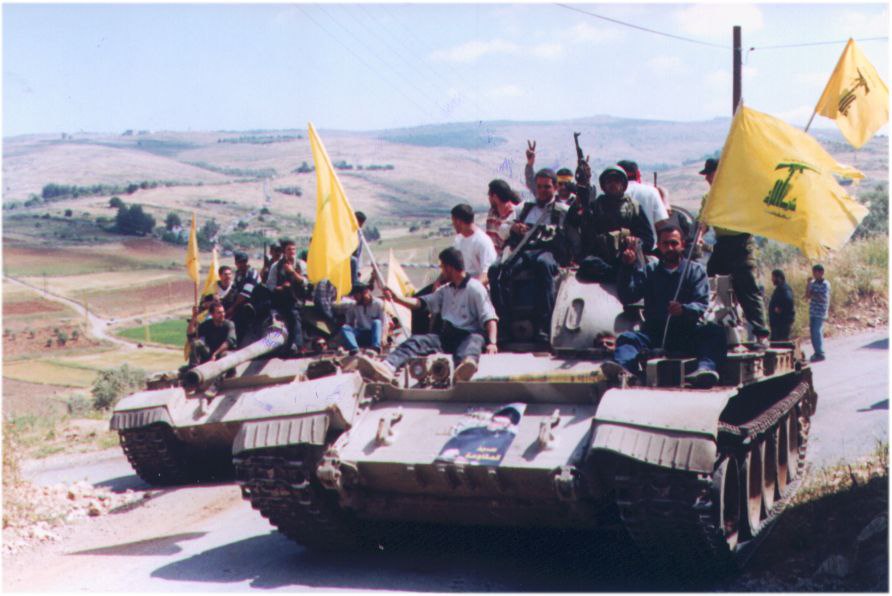
The Israeli withdrawal from South Lebanon
The beginning of field reporting from the liberated South.
The presence of female correspondents was very limited and mostly confined to offices rather than the frontlines.
📌 2006:
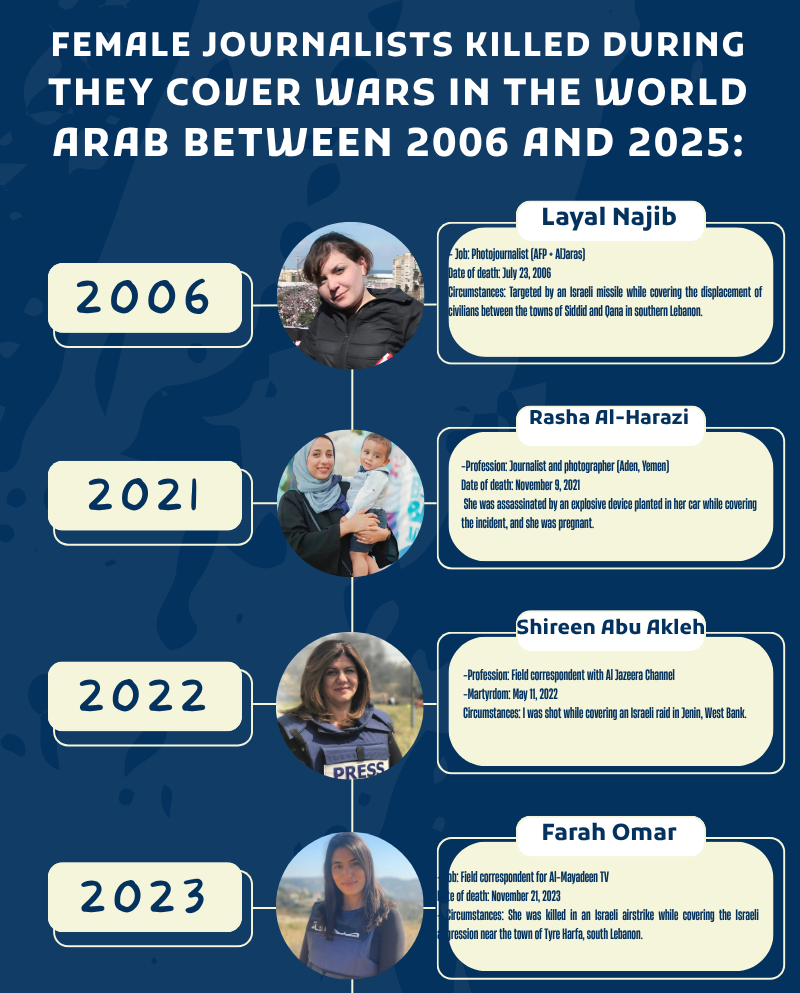
The July War
A major turning point in the field presence of female journalists.
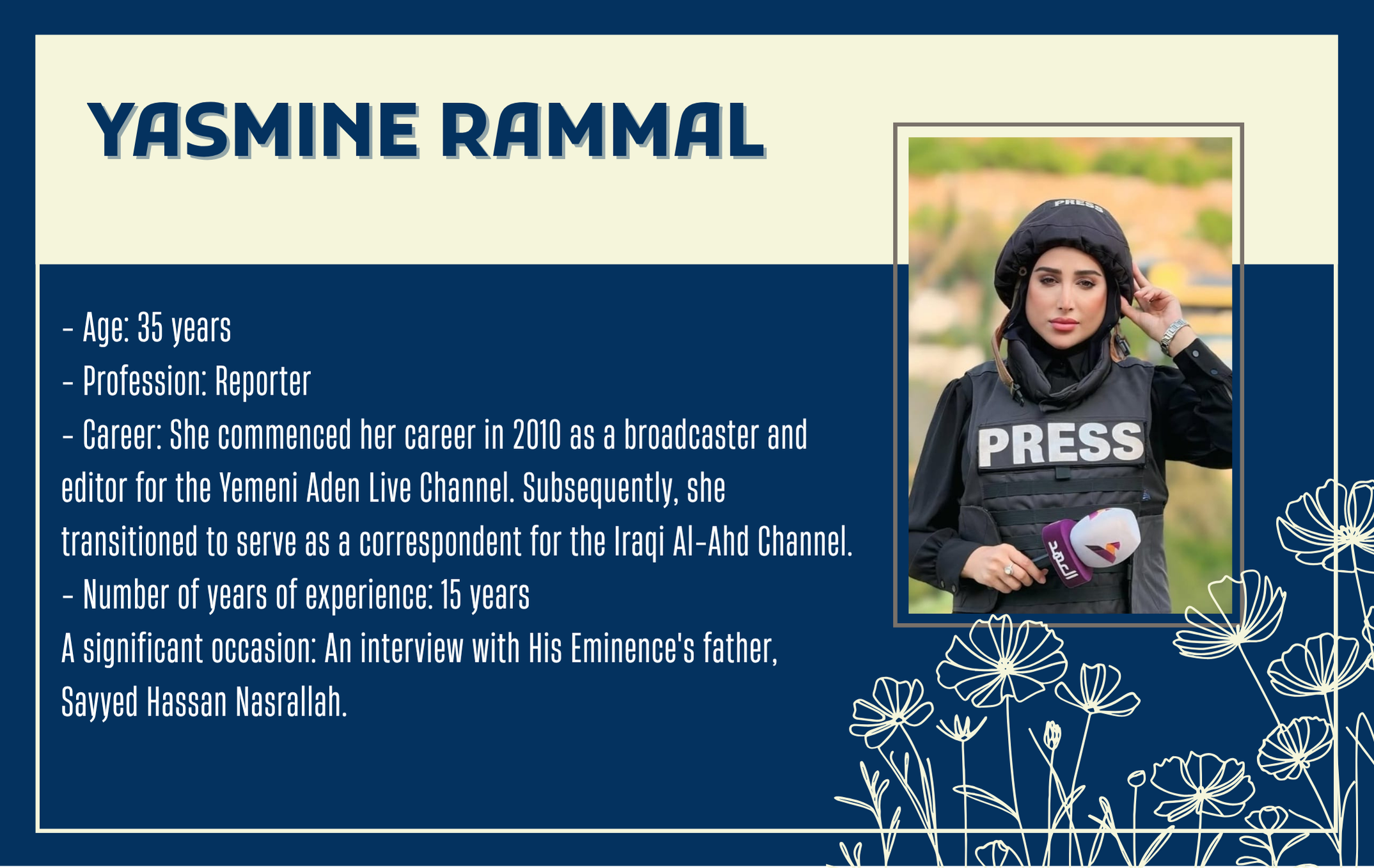
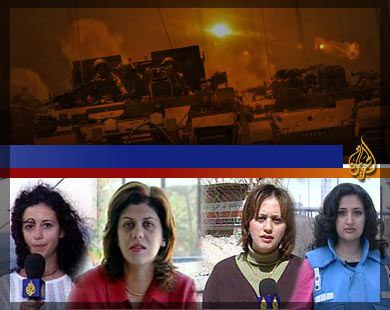
Some Lebanese female correspondents stood out with live coverage from bombed areas.
They faced the risk of direct targeting, mobility challenges, and professional discrimination.
Visual media gave some space to female faces — but within limits.
📌 2008–2011:
Internal events and conflict coverage
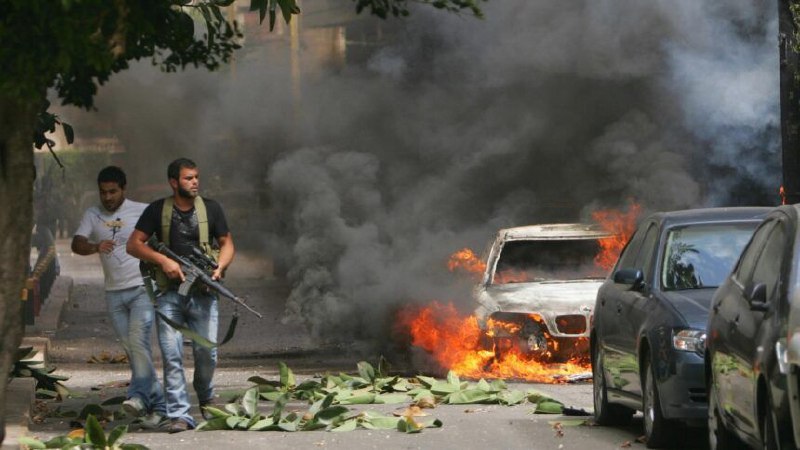
During the Beirut clashes (2008) and later in Tripoli, there was a noticeable increase in the involvement of female correspondents in covering political violence.
Some media outlets began deploying female reporters on the ground as part of small field teams.
📌 2011–2017:
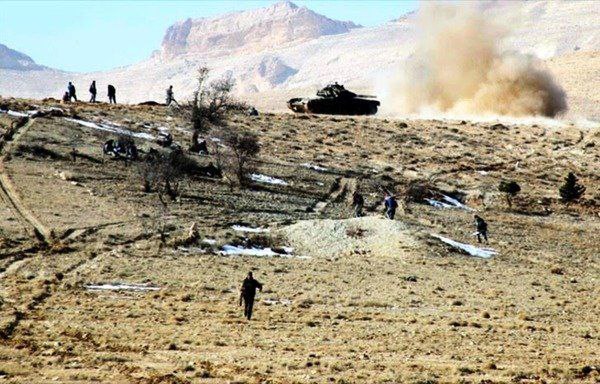
The impact of the Syrian war on Lebanon
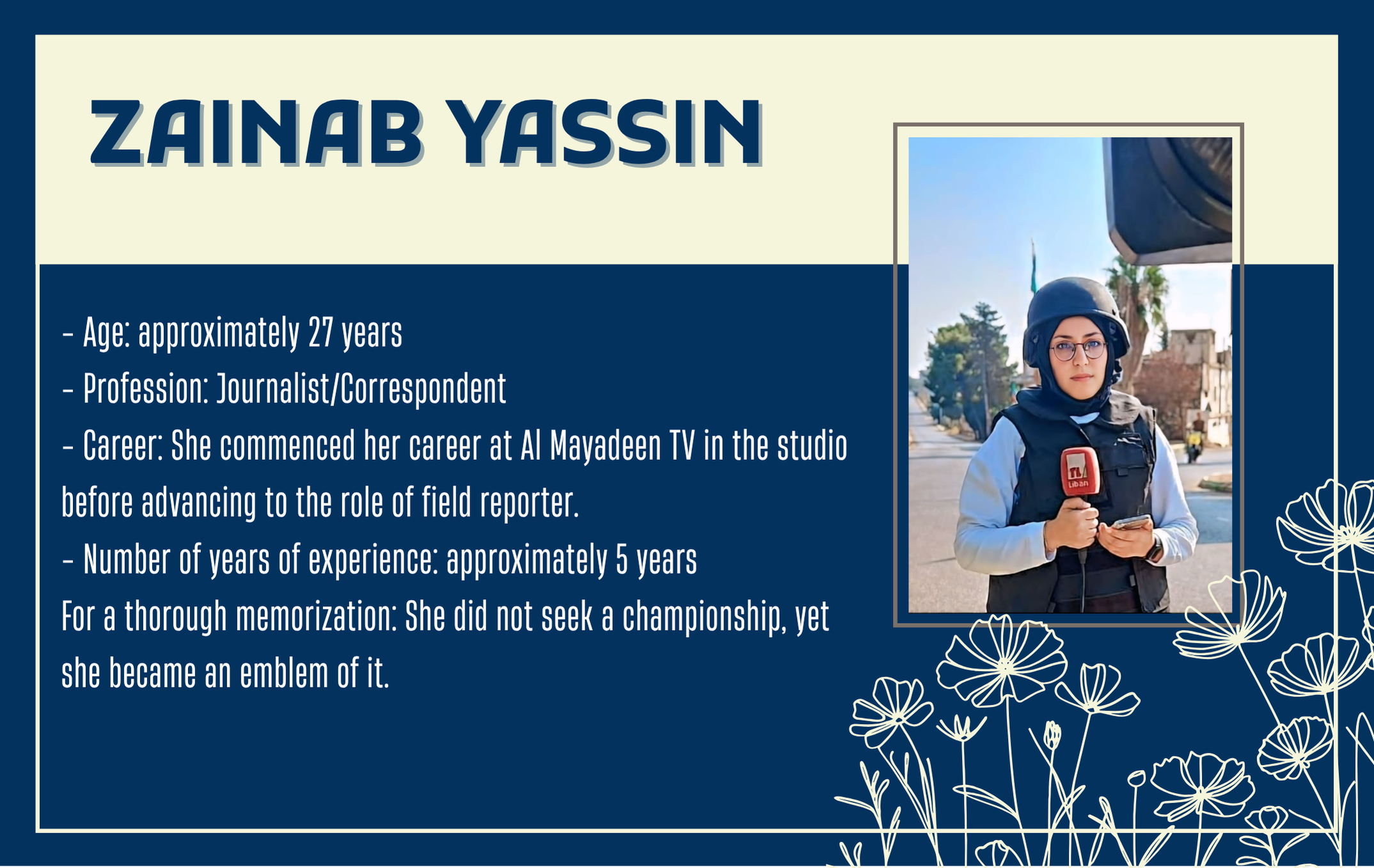
Coverage of the Syrian conflict and its security spillovers into Lebanon — such as the shelling of Arsal and battles with ISIS — saw bolder participation from Lebanese female correspondents.
Challenges included restricted access to conflict zones and pressure from security and political forces.
This period also saw the emergence of independent female reporters working with international outlets like France 24, BBC, and Al Jazeera.
📌 2019:
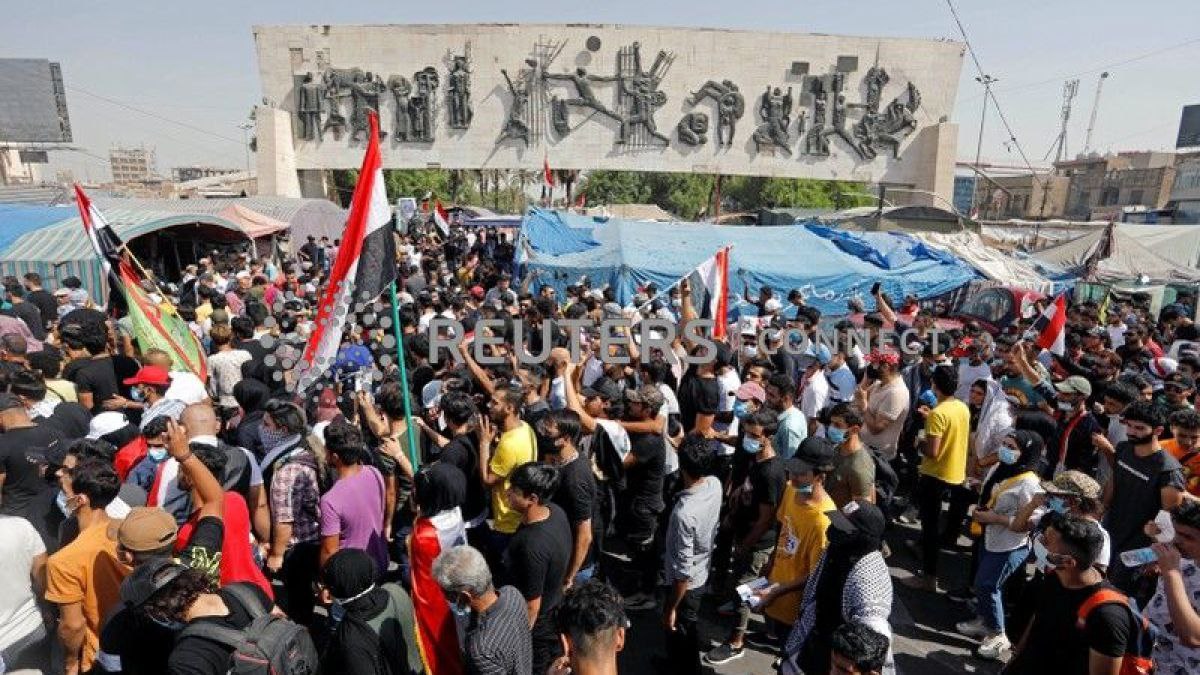
The October 17 Uprising
Although it wasn’t a traditional war, the uprising witnessed intensive female coverage from the streets.
Female correspondents faced direct repression, verbal and physical violence, and incitement on social media.
There was a notable rise in the number of independent female journalists who began producing visual and journalistic content live from the field.
📌 2020:
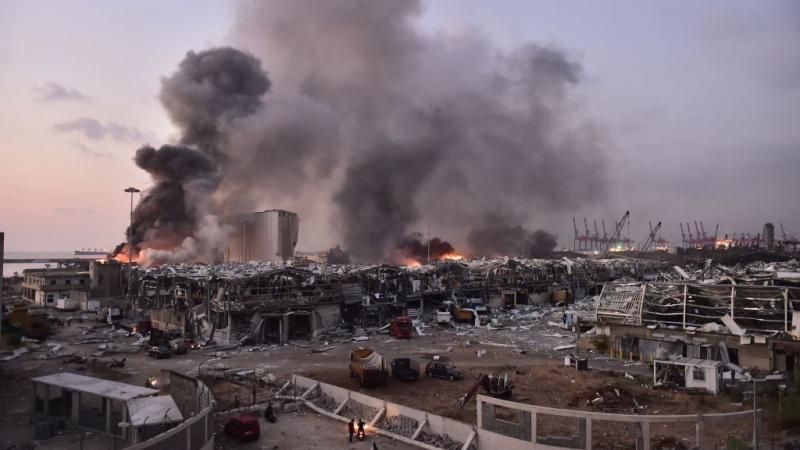
Beirut Port Explosion
Although it was not a military event, its coverage was on the scale of a war disaster.
Female correspondents from prominent Lebanese and international channels appeared with impactful coverage.
There was an increased recognition of female journalists’ ability to report under catastrophic conditions.
📌 2021–2023:
Internal clashes (Tayouneh, Saida, etc.)
Female correspondents continued to participate in field coverage amid bullets and bombs.
Some organizations began providing better professional safety training for journalists.
Civil initiatives emerged to protect journalists in conflict zones.
📌 2023–2025:
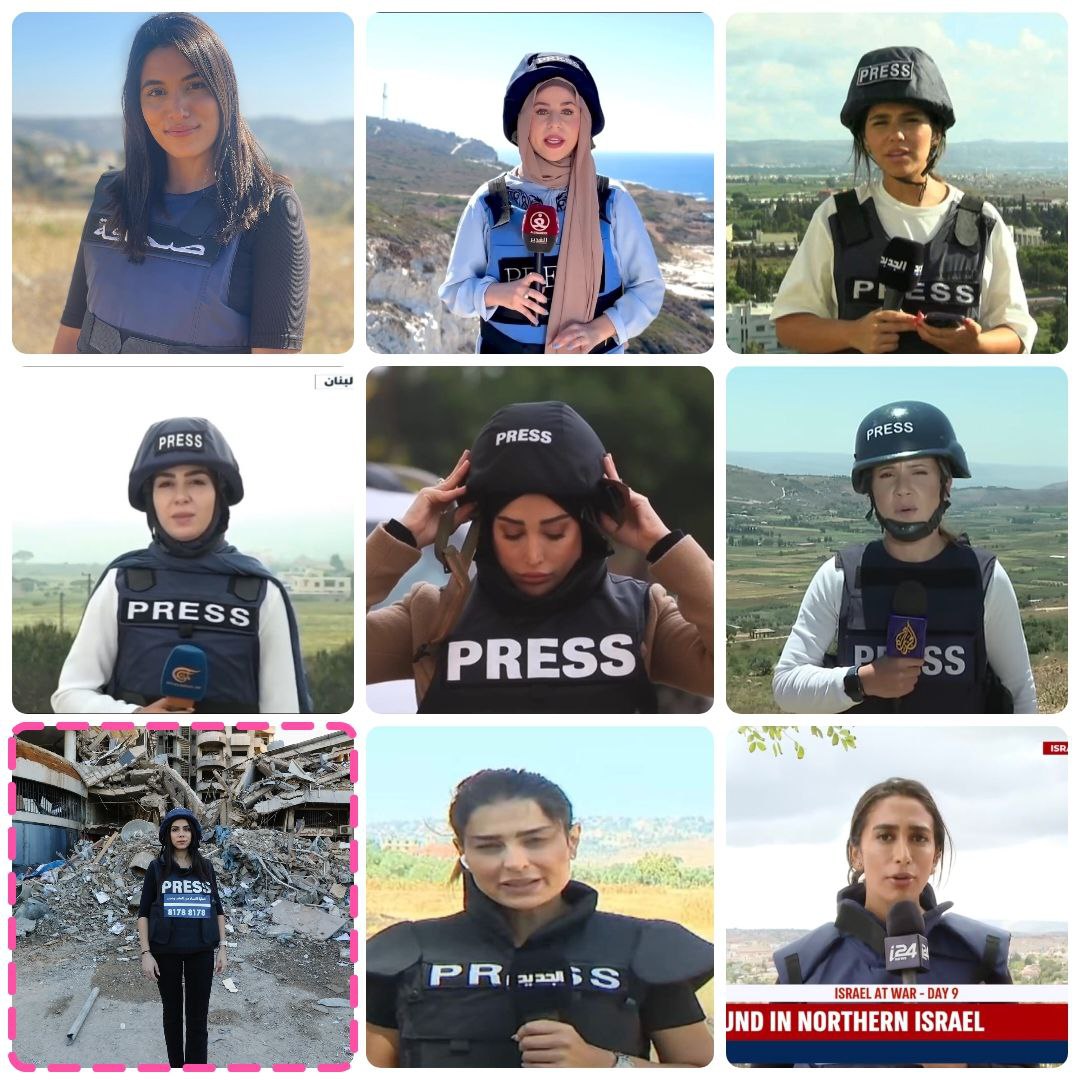
The war in the South after the October 7, 2023 attack
The widest female participation in direct war coverage since 2006.
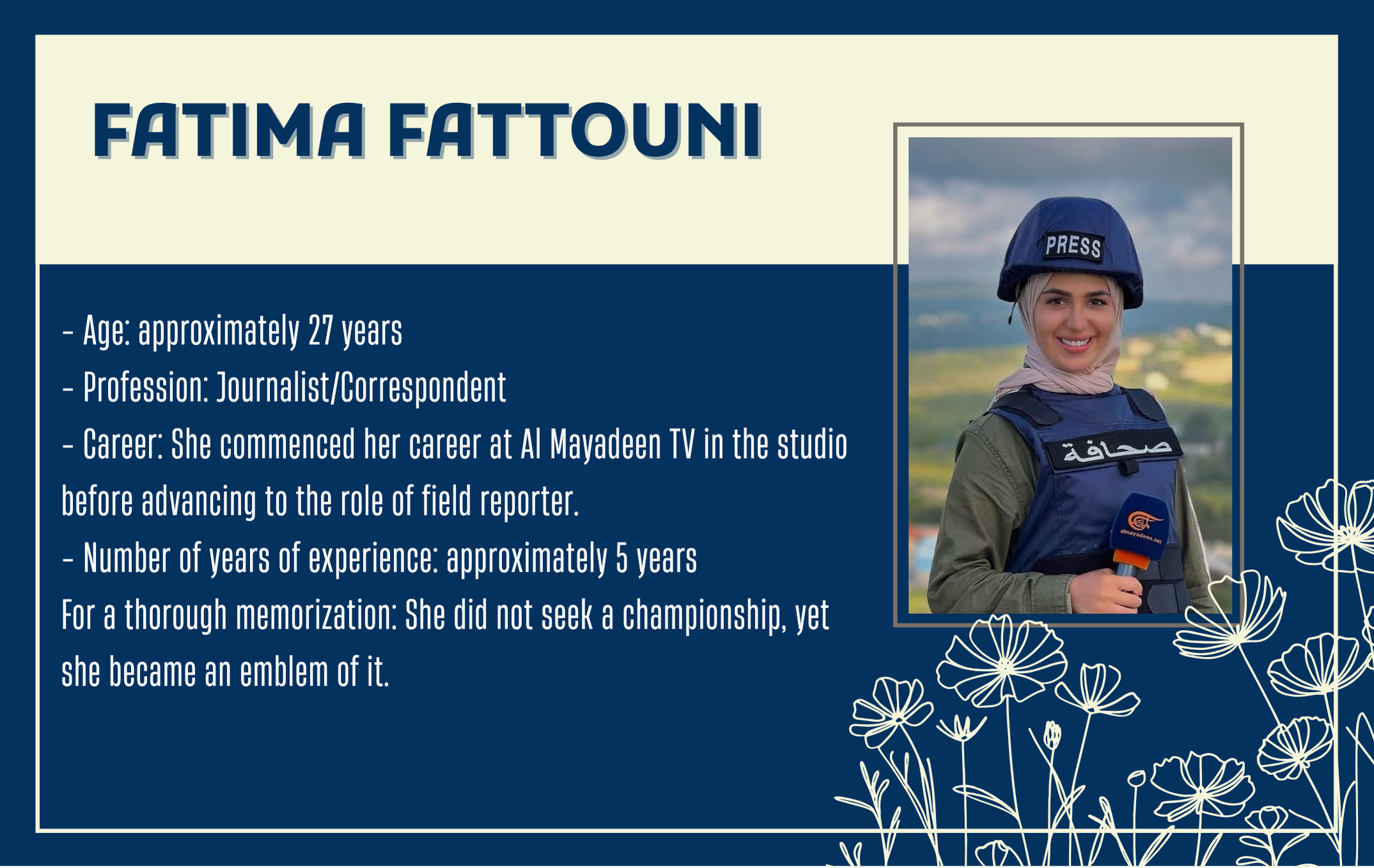
Correspondents from major Lebanese channels (MTV, LBCI, Al Jadeed) worked on the southern fronts.
Freelance female reporters shared live photos and videos from targeted villages.
Major challenges included:
Direct Israeli targeting of journalists.
Family and social pressures on female journalists.
Lack of protective equipment.
On the other hand, there was widespread public and professional praise for the bravery of some correspondents, encouraging more women to enter this field.